How to Handle Clients Who Always Reschedule or Cancel at the Last Minute
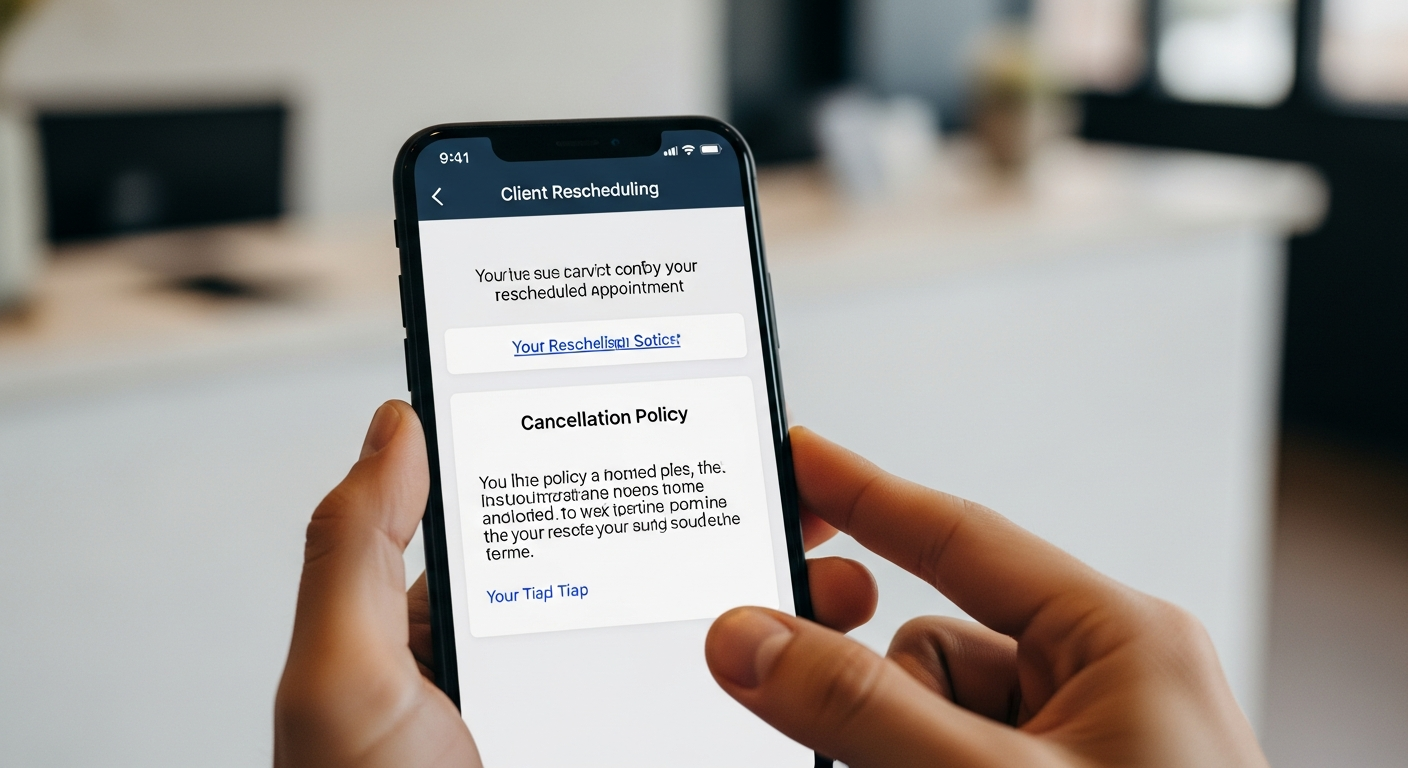
You know this client. They've rescheduled three times in the last two months. Every cancellation comes with a story. They're always apologetic. They always rebook. And they always do it again.
Chronic reschedulers are a specific operational problem — not because any one cancellation is catastrophic, but because the pattern creates perpetual calendar instability and consumes disproportionate mental energy.
Here's how to address the pattern professionally, with your booking system doing most of the work.
Why Chronic Rescheduling Happens
Most chronic reschedulers are in one of two categories:
Commitment without cost. When booking has no financial consequence, rescheduling feels costless. The client may genuinely intend to keep the appointment every time — but when something easier comes up, there's nothing holding them.
Lifestyle mismatch. The client's schedule is genuinely chaotic. They need your service but struggle to hold any commitment. For some businesses, this client type is not a fit.
The Deposit Solution
A deposit is the most effective structural deterrent to casual rescheduling. When $50–$100 is at stake, clients think twice before moving an appointment. Your cancellation policy determines whether that deposit is returned for rescheduling vs. cancellation — and at what notice threshold.
For chronic reschedulers: make your policy explicit. "Appointments may be rescheduled once with 48 hours notice. A second reschedule requires rebooking at full price and re-confirmation of deposit."
Read more: mybokr.com/blog/how-to-set-up-booking-deposits-for-appointments Read more: mybokr.com/blog/how-to-write-cancellation-policy-service-business
Using Automated Reminders to Reduce Accidental Rescheduling
Some rescheduling happens not from disrespect but from forgetting or scheduling conflicts that arise organically. A 48-hour reminder gives clients enough time to reschedule voluntarily if a conflict exists — better than a last-minute cancellation the morning of.
Read more: mybokr.com/blog/automated-appointment-reminders-reduce-no-shows
When to Have the Direct Conversation
If a client has rescheduled three or more times in a row despite reminders and a deposit policy, a direct conversation is appropriate: "I've noticed we've had difficulty locking in a time that works. I want to make sure I can serve you well — would a different day or time of week work better for you consistently?"
This framing is generous — it assumes a scheduling mismatch rather than bad faith, and often resolves it. If the pattern continues after this conversation, it's reasonable to add this client to a waitlist-only queue: they can book only if a last-minute slot opens.
FAQ: Can I ban a client from rebooking?
Yes — it's your business. Simply don't accept new bookings from that client. Most booking platforms, including MyBokr, allow you to manage your client list and booking access. This is a last resort after the conversation above, but it's a legitimate tool.
Protect Your Calendar From Chronic Disruption
MyBokr's deposit system and cancellation policy enforcement automate the professional deterrents that prevent chronic rescheduling. Set it up at mybokr.com.